
Reviews
Shadow Inquiry: The Silent Station builds tension through darkness and deliberate pacing rather than action. Its strengths lie in logical puzzle chains, environmental storytelling, and a non-linear layout that encourages revisiting areas with new items. The game asks players to observe, connect clues, and manage an inventory of keys, batteries, and notes. It will appeal most to those who enjoy slow-burn mysteries and first-person exploration, while players seeking combat or explicit direction may find the experience too subdued.
About this game
Investigating the Blackout
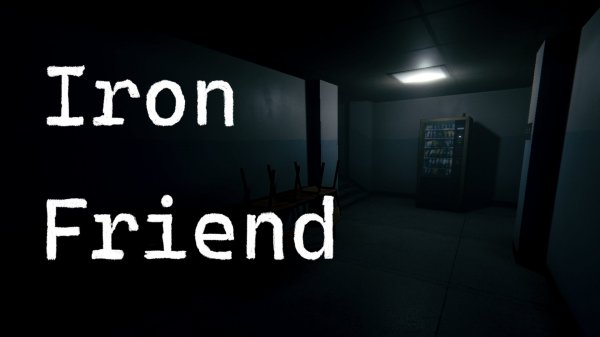
Shadow Inquiry: The Silent Station drops you inside a large, dimly lit complex where the power has failed. The central question is simple: why did the lights go out, and what else is present in the dark? Every corridor, office, and storage room is arranged to sustain quiet tension. Because the building is unpowered, finding a working light source changes how you read a room, and restoring electricity becomes a series of linked objectives rather than a single switch.
Tools, Inventory, and Sequential Puzzles
You move with standard first-person controls and interact with doors, drawers, and panels to gather useful objects. Keys, batteries, and notes go into an inventory for later use. Early on, you need a flashlight to see clearly, then you search for the main electrical panel. Fixing the outage follows a logical order: collect specific components, use coins in a vending machine to obtain a crucial item, and play cassette tapes that reveal audio logs. Each new area stays sealed until its guarding puzzle is solved, so progress depends on observation and correct sequencing.
Story Told Through Rooms and Recordings
The narrative avoids long dialogue. Scattered notes, markings on walls, and the placement of objects hint at what happened before you arrived. Audio tapes add voice recordings that give the mystery emotional weight. This method rewards players who inspect corners and listen closely, because the story arrives through discovery instead of exposition.
Non-Linear Progression
Advancement is gated by your ability to connect clues. A locked door may need a key from another room, while a computer terminal may require a typed command taken from a note. Revisiting earlier areas with new items or knowledge often opens previously blocked paths. That structure keeps options available, so you rarely feel stuck without something else to try.
Compatibility
FAQ
Comments
Sign in to leave a review
No comments yet.








Editorial Notes