

Reviews
Tile Assembly Picture Game offers a straightforward yet satisfying puzzle experience. The variety of image categories keeps the activity fresh, while the lack of time pressure allows for a truly relaxed pace. Controls are intuitive and responsive, making it easy to pick up and play. The clean interface and full-screen option enhance focus. It is an excellent choice for anyone seeking a quiet, screen-based pastime without complexity or cost.
About this game
Picture Assembly Basics
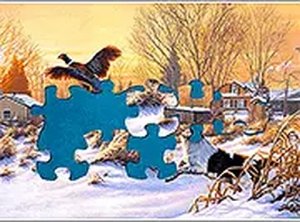
Players receive a collection of irregularly shaped fragments that must be arranged to recreate a full mosaic image. Each fragment has a distinct outline that fits only in one specific spot on the board. The workspace is clean and uncluttered, allowing for easy placement. The core loop involves selecting a piece, moving it to the correct position, and watching the picture gradually come together. This straightforward process makes the game accessible to anyone familiar with drag-and-drop interactions.
Visual Themes and Variety
The game includes multiple picture categories such as natural landscapes, abstract designs, and patterned compositions. Each category offers a different visual style, giving players a range of aesthetic experiences. The images are rendered with clear colors and defined shapes, which helps with piece identification. Switching between categories provides fresh challenges and keeps the activity engaging over time. The variety ensures that players can choose a theme that matches their mood or interest.
Workspace and Controls
The interface is designed for mouse-based input on desktop computers. Pieces can be rotated before placement, and the board can be viewed in full screen for a more focused experience. The layout keeps all necessary tools within easy reach, so players do not need to navigate complex menus. The responsive design ensures smooth dragging and dropping without lag. This setup allows players to concentrate on assembly rather than struggling with controls.
Approach and Pacing
There is no time limit or score pressure, so players can work at their own speed. A common strategy is to sort fragments by edge type or color before placing them. Working on small clusters first, then connecting them, can simplify larger puzzles. Taking short breaks when stuck often leads to a fresh perspective. The game encourages a relaxed pace, making it suitable for unwinding during a break or as a quiet evening activity.
Comments
Sign in to leave a review
No account? Create one
No comments yet.